Digital Hearing Aids Service List - What Services Are Available
Resource Changed | 30 August 2026 11:39
What Digital Hearing Aid Services Can You Expect?
Digital hearing aids are not just devices, they are part of a wider clinical service that should support hearing assessment, fitting, adjustment, and follow-up care. A good provider will begin with a detailed hearing test, then use the results to match the right hearing aid technology to your needs, listening environment, and budget. In the UK, this usually means looking at lifestyle factors, ear health, and any problems with hearing in background noise or on the telephone. Services often include advice on rechargeable hearing aids, discreet behind-the-ear models, receiver-in-canal fittings, and tinnitus support where appropriate. Good aftercare matters too, because the first fit is rarely the final answer. Real-world listening, fine tuning, and regular reviews help the aids perform properly day to day.
Core Care from Assessment to Fitting
A complete hearing aid service should be clinically led and easy to understand. You can usually expect an initial consultation, audiogram review, explanation of hearing loss, and a recommendation based on your hearing thresholds and daily routine. Providers may also check for ear wax, give insertion and cleaning guidance, and show you how to use controls or smartphone apps. The most useful services are practical, not pushy, and they should focus on speech clarity, comfort, and safe volume levels rather than simply selling a product. If you wear hearing aids for work, family life, or social settings, the fitting plan should reflect that. The aim is to improve hearing function in a measured way, with support that continues after the device has been dispensed.
Follow-up appointments are just as important as the first fitting. They allow the audiologist or hearing care professional to make small changes to sound balance, manage feedback, and check how you are coping in places such as shops, pubs, and busy streets. Many clinics also offer remote support, replacement domes, filter changes, battery advice, and help with app pairing. This combination of assessment, fitting, and aftercare is what turns a digital hearing aid into a reliable long-term solution.
Hearing Tests and Diagnostic Checks for Better Recommendations
Before any hearing aid is fitted, a proper assessment should identify the type and degree of hearing loss. This may include pure tone audiometry, speech testing, tympanometry, and an examination of the ear canal to look for wax build-up or signs of infection. These checks help determine whether digital hearing aids are suitable and whether another referral is needed first. Testing is especially important if your hearing has changed suddenly, if only one ear seems affected, or if you notice tinnitus, pressure, or dizziness. A careful diagnosis gives the clinician a stronger basis for advice and reduces the risk of fitting the wrong style of device.
Why Accurate Testing Changes the Outcome
Hearing aid technology works best when it is programmed to a precise audiogram. That means the provider needs clear data, not a guess. Test results can show whether you need support in the high frequencies, whether speech sounds are being missed, or whether one ear is working better than the other. A skilled clinician will explain what the results mean in plain English and how they affect day-to-day listening. They may also discuss conductive hearing loss, sensorineural hearing loss, or mixed hearing loss, because each can influence the fitting approach. If wax removal is needed first, that should happen before the hearing aid choice is finalised, since blocked ears can distort test results and reduce sound quality.
- Audiological testing should be comfortable, quick, and explained step by step so you know what each result means for your hearing support.
- Speech-in-noise measures can be useful because many people struggle most in restaurants, meetings, and other busy places rather than in quiet rooms.
- Ear health checks help spot wax, irritation, or infection, which can all affect the accuracy of the hearing assessment and the success of a fitting.
- Clinicians should review both ears individually, because asymmetry can influence device choice, settings, and the need for further medical advice.
- A written summary of findings is helpful for comparing options and keeping track of changes in your hearing over time.
Digital Hearing Aid Fitting, Programming and Fine Tuning
Fitting is more than handing over a device. Digital hearing aids need to be programmed to match your hearing profile, comfort level, and listening priorities. During fitting, the clinician may use real ear measurements, manufacturer software, and patient feedback to set the aids accurately. This process helps make speech clearer while keeping loud sounds manageable. A well-fitted device should feel secure, sound natural, and adapt sensibly across different environments. Some people need gradual amplification, especially if they are new to hearing aids after years of reduced hearing. Others may want stronger initial settings for work or active social life. Either way, the fitting should be tailored and documented.
Making the Sound More Natural in Everyday Life
Fine tuning usually happens after you have worn the hearing aids in real life for a few days or weeks. That is because no clinic room can fully recreate traffic noise, family conversations, or television volume at home. Adjustments may include reducing sharp sounds, improving comfort in wind noise, increasing speech focus, or changing how the device handles background sound. If you use Bluetooth hearing aids, the clinician may also show you how to pair them with a phone, tablet, or TV streamer. The best services do not treat fitting as a one-off event. They expect the sound to be refined, based on your feedback and how your ears adapt.
Fit quality matters for performance and comfort. If the dome, mould, or receiver is not right, you may hear whistling, feel pressure, or notice weak sound. A good service will keep checking for these issues and offer practical corrections quickly. That can include changing ear tips, revising gain settings, or explaining how to insert the device properly. These small details make a big difference to long-term satisfaction.
Useful Follow-Up Checks After the First Fit
Follow-up should not be rushed. It is the stage where many of the most important improvements happen, especially if you are adjusting to amplified sound for the first time. A good provider will ask where the aids are helping, where they are not, and whether any sharp noises or discomfort are getting in the way.
Practical Tip for the First Few Weeks
Wear the aids in short sessions at first if you need to, then build up use each day. This helps your brain adapt to new sound input and gives you clearer feedback on what needs changing.
Why Gradual Use Can Help
Sudden full-time wear can feel overwhelming for some users, particularly if they have lived with untreated hearing loss for a long period. A stepped approach often makes adaptation easier and improves confidence.
Aftercare, Maintenance and Repair Support
Ongoing aftercare is one of the most valuable parts of a digital hearing aid service. Devices need cleaning, occasional parts replacement, software updates, and checks for performance drift over time. Clinics should offer practical maintenance support such as microphone cleaning, wax guard changes, tubing replacement, battery advice, and moisture protection guidance. If you use rechargeable hearing aids, charging care is equally important, including how to store them safely and recognise battery wear. Regular servicing helps preserve sound quality and can extend the life of the device, which matters if you rely on it every day for work, family life, or travel.
What Maintenance Usually Covers
Maintenance appointments are often straightforward, but they should be thorough. A clinician may inspect the casing, test output, check for feedback, and make sure the battery contacts or charging points are working properly. They can also clean blocked sound ports, replace domes, and confirm the aids are still set correctly for your hearing needs. If a device is damaged or not performing well, the provider should explain repair options clearly and advise whether a loan unit is available. This kind of support can prevent minor issues from becoming a complete loss of use. It also gives you confidence that the clinic will still help after the purchase.
- Routine cleaning should remove ear wax, dust, and moisture before they affect microphone performance or cause intermittent sound.
- Filter and dome replacement are common service tasks, and they can quickly improve clarity if the aid sounds muffled or weak.
- Rechargeable systems need checked charging routines, because poor charging habits can reduce daily run time and reliability.
- Repair support should include honest guidance on whether a fault is minor, manufacturer related, or serious enough to need replacement.
- Maintenance visits are a good time to reassess comfort, fit, and whether your hearing has changed since the last appointment.
How to Look After Devices Between Appointments
Good home care makes clinic support more effective. Store hearing aids in a dry place, wipe them gently after use, and keep them away from water, sprays, and heat. If you swim, shower, or exercise heavily, take them out first unless the product is designed for that level of exposure.
Support for Wax Removal, Ear Health and Safe Use
Digital hearing aids perform best when the ears themselves are healthy and unobstructed. That is why many clinics include or coordinate ear wax removal, ear examination, and referral advice as part of their service list. A blocked ear canal can reduce amplification, alter sound quality, and create the impression that the aid is faulty when the real issue is wax. Safe ear care is especially important for older adults, hearing aid users, and anyone who has had repeated problems with impacted wax. A professional service should know when to treat, when to refer, and when to avoid inserting anything into the ear.
Why Ear Health Affects Hearing Aid Performance
When wax builds up, it can stop sound reaching the eardrum efficiently and can also interfere with microphones, receivers, or domes. That means a hearing aid may seem too quiet, distorted, or prone to feedback. A clinic that understands this will check the ear before making assumptions about the device. Microsuction is often used in UK private clinics because it allows wax to be removed under direct visual guidance. If the clinician is not able to carry out wax removal, they should signpost appropriately. Safe use also includes advice on pain, discharge, sudden hearing change, and the warning signs that need medical attention rather than routine servicing.
Hearing aid care should never ignore the ear itself, because the best technology still depends on a clear and healthy ear canal.
Clinics that combine hearing support with ear care tend to give better long-term outcomes, because they can address the full picture instead of a single symptom. That approach supports both comfort and performance, and it reduces avoidable frustration for the user.
Styles and Features of Modern Hearing Aids
Digital hearing aids come in several styles, and the right choice depends on your hearing loss, dexterity, cosmetic preferences, and day-to-day listening needs. Common options include behind-the-ear hearing aids, receiver-in-canal devices, and in some cases more discreet in-the-ear models. Features often include directional microphones, noise reduction, feedback control, Bluetooth connectivity, rechargeability, and app-based volume control. A service list should not just name these features, it should explain which ones are useful for real situations such as meetings, phone calls, and television listening. Good advice is specific, because a feature that works well for one person may be unnecessary for another.
Choosing Function Over Fashion Alone
It is easy to focus on size or appearance, but hearing aid choice should begin with function. If you need stronger amplification, easier handling, or frequent pairing with a smartphone, that can influence the best model more than cosmetic discretion. People with limited hand strength may prefer larger controls or rechargeable batteries, while those with active lifestyles may value water resistance and stable retention. Some devices are ideal for first-time wearers because the controls are simple, while others suit experienced users who want more advanced custom settings. A clinician should explain the trade-offs honestly, including battery life, maintenance needs, and how well the aid works in noise.
- Consider your listening environments first, because a home user, commuter, and office worker often need different hearing aid features and settings.
- Ask how the device handles speech in background noise, since this is a common reason people seek better hearing support.
- Check whether the controls suit your hands and eyesight, especially if you expect to adjust volume or programmes without help.
- Think about rechargeability if you do not want to manage small disposable batteries each week.
- Make sure any app connection is explained clearly, so technology helps rather than frustrates you.
Remote Support, App Help and Ongoing Hearing Care
Many modern clinics now support hearing aids in more than one way, including in-person reviews, phone guidance, and remote adjustments where the manufacturer allows it. This can be especially useful if you travel, have a busy schedule, or simply need quick help with a minor setting change. App support is also common with Bluetooth hearing aids, letting users adjust volume, change programmes, or monitor battery status from a smartphone. These digital features are helpful only if they are set up properly and explained in simple terms. A strong service list should therefore include user training as well as technical support.
Help That Continues After the Fitting
Remote care works best when the clinic knows your hearing goals and the device is configured correctly from the outset. If you need support with streaming music, taking calls, or switching between quiet and noisy settings, remote fine tuning may save time and improve comfort. Some users like the flexibility of sending feedback from home, then returning for a face-to-face review if something still feels off. Others prefer in-clinic support for reassurance. The key point is that hearing care should be accessible and responsive. Good providers make it easy to ask questions, update settings, and get advice without feeling rushed or ignored.
Simple training can make a big difference here. If you understand the app, charging steps, mute function, and programme changes, you are more likely to use the aids consistently. Better use usually means better hearing outcomes, because the devices can only help if they are worn and managed properly.
What to Ask for During Digital Support
Ask for a clear demonstration of pairing, app controls, and basic troubleshooting. If the hearing aid drops connection or the sound becomes uneven, you should know the first checks to try before booking a review.
Follow-Up Reviews and Long-Term Hearing Monitoring
Hearing needs can change over time, so long-term monitoring is an important part of any digital hearing aid service. Follow-up reviews help track whether amplification is still appropriate, whether both ears are responding well, and whether new issues such as wax, feedback, or discomfort are developing. These appointments also allow the clinician to review real-world hearing performance and make small but important changes. For many users, the value of a hearing aid increases over months, not days, because careful adjustment and regular monitoring lead to more natural listening.
Keeping the Service Clinically Useful
Good follow-up is not just about fixing faults. It is also about preventing them, spotting changes early, and checking whether the original hearing goals are still realistic. If your hearing drops further, if one ear feels different, or if listening in groups becomes harder, the service should respond with a fresh assessment rather than a quick assumption. This is where professional oversight matters. An experienced audiologist can compare past results with new findings and decide whether a reprogramming session, device upgrade, or medical referral is needed. That kind of continuity is central to safe hearing care and better outcomes.
Regular reviews help hearing aids stay matched to your life, not just your original test results.
For many people, the best service is one that treats hearing as an ongoing health concern, not a one-time purchase. That means checking comfort, clarity, maintenance, and everyday use at sensible intervals. It also means being open about when a hearing aid is no longer the right solution and when other clinical advice is needed.
What Makes a Good Hearing Aid Service Provider?
A good provider combines clinical skill, clear advice, and practical support. They should explain test results in plain language, recommend suitable digital hearing aids without pressure, and offer aftercare that helps you use the devices properly. In the UK, a trustworthy hearing care professional should be transparent about costs, warranty terms, and what is included in follow-up support. Good communication matters because hearing loss affects confidence, work, family conversations, and social life. If the service is rushed or vague, you are less likely to get the result you need. The best providers listen carefully and tailor care to the individual rather than forcing everyone into the same product path.
Signs of a Well-Run Clinic
Look for a provider that offers a proper hearing assessment, an explanation of options, and time for questions. They should be happy to talk through hearing aid brands, fitting methods, maintenance, and future reviews. If wax removal is needed before testing, they should explain that clearly. If your hearing loss suggests you need medical input, they should signpost that too. A good clinic also respects your preferences, whether you want something discreet, rechargeable, or easier to handle. Professional care is not about the most expensive device, it is about the right support and the right outcome.
- Clinical explanations should be clear and specific, so you understand what the test showed and why a particular hearing aid has been recommended.
- Aftercare should be included in the service plan, because the first fitting often needs refinement after real-world use.
- Transparent pricing matters, including fittings, follow-ups, accessories, and any repair or warranty terms that may apply.
- Respect for patient choice is important, because comfort, handling, and lifestyle needs vary widely between users.
- Referral awareness is a sign of professionalism, especially where symptoms suggest a medical ear problem rather than a simple hearing aid issue.
Questions Worth Asking Before You Commit
Ask how the clinic handles adjustments, whether remote support is available, and how quickly you can be seen if the sound changes or the device stops working. These answers often reveal the real quality of the service.
Find your ideal health clinic with our list of trusted clinic providers:

Ashford: Private Microsuction Ear Wax Removal in Ashford Tn24

Barnet: Private Microsuction Ear Wax Removal in Barnet En5

Cambridge: Private Microsuction Ear Wax Removal in Cambridge Cb2

Colindale: Private Microsuction Ear Wax Removal in North West London Nw4
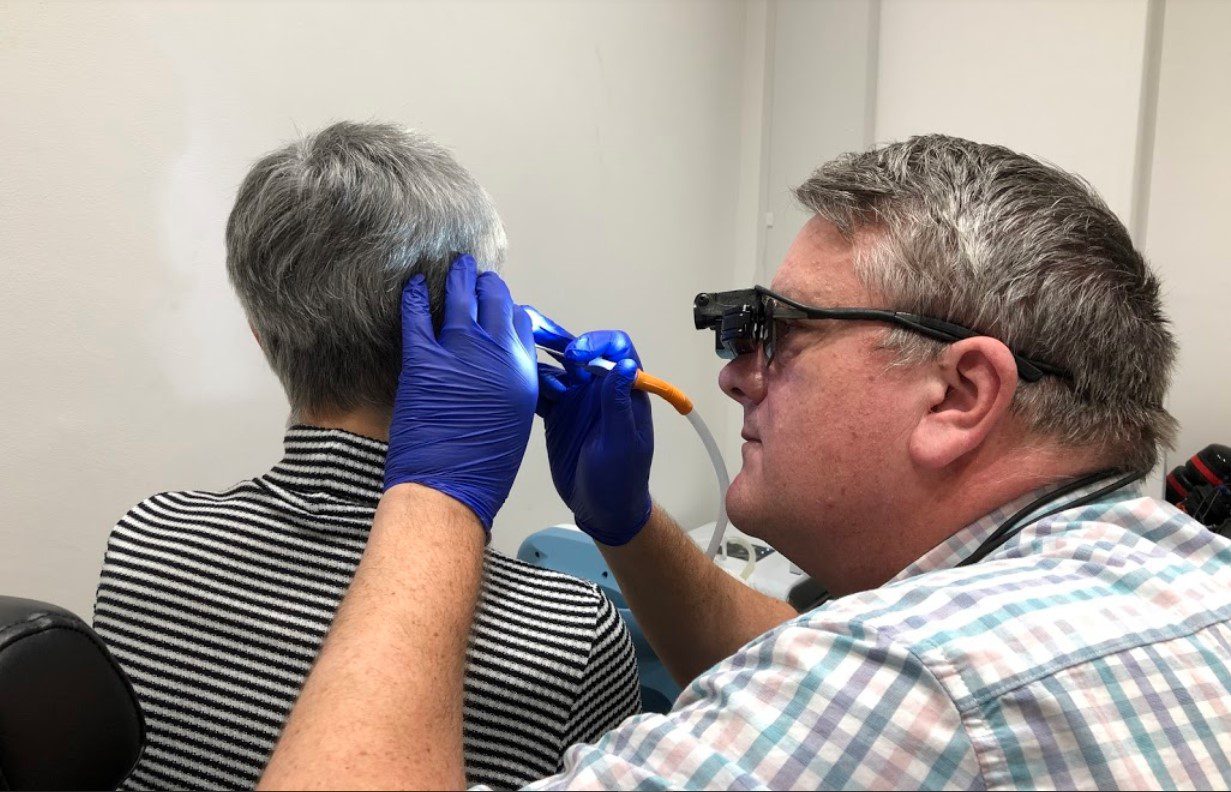
Ealing: Private Microsuction Ear Wax Removal in Ealing W5

East Finchley: Private Microsuction Ear Wax Removal in East Finchley N2
Edgware: Private Microsuction Ear Wax Removal in North London Nw4

Enfield: Private Microsuction Ear Wax Removal in Enfield En1
Finchley: Private Microsuction Ear Wax Removal in Finchley North London
Hastings: Private Microsuction Ear Wax Removal in Hastings Tn34
Hendon: Private Microsuction Ear Wax Removal in North West London Nw4
Hythe: Private Microsuction Ear Wax Removal in Hythe Ct21
Kingston: Private Microsuction Ear Wax Removal in Kingston-Upon-Thames Kt6
Mill Hill: Private Microsuction Ear Wax Removal in North West London Nw4

Milton Keynes: Private Microsuction Ear Wax Removal Mk in Bucks Mk2

Muswell Hill: Private Microsuction Ear Wax Removal in Muswell Hill N2

Oxford: Private Microsuction Ear Wax Removal in Oxford Ox2
Reading: Private Microsuction Ear Wax Removal in Reading Rg30
Surbiton: Private Microsuction Ear Wax Removal in Surbiton Kt6
How Digital Hearing Aid Services Help with Everyday Listening
The best hearing aid service is one that improves everyday listening, not just test-room scores. That means helping you hear speech more clearly, follow conversations in noise, and enjoy television, music, and phone calls with less strain. Digital hearing aids can be programmed differently for home, work, and travel, which makes them useful across a wide range of daily situations. Services should therefore focus on the practical results you care about most, such as confidence in meetings, less tiredness from listening, and easier communication with family. These are meaningful quality-of-life gains, and they depend on good fitting and support.
Real-World Benefits of Well-Managed Hearing Care
People often notice improvements in concentration, social participation, and reduced frustration once their hearing aids are correctly fitted and supported. Better hearing can make conversations feel less exhausting, especially if you have been lip-reading or straining to follow speech. A strong service will help you get to that point by checking whether the aids are doing enough in different environments. It will also encourage sensible expectations, because no hearing aid removes all background noise. Instead, the goal is clearer, more comfortable hearing with less effort. That distinction matters, and a good clinician will explain it well.
When hearing care is done properly, users often wear their aids more regularly and report greater satisfaction. The combination of assessment, fitting, maintenance, and follow-up creates a service that supports the technology and the person using it. That is what turns a hearing aid from a product into a proper clinical solution.